

Photography, as an art form, transcends borders and languages, capturing universal human experiences that resonate with audiences around the world. In an increasingly interconnected global community, photography biennales play a critical role in fostering cultural exchange, collaboration, and dialogue among photographers, curators, historians, and art lovers. These events not only showcase visual storytelling but also create vibrant spaces for cross-cultural communication, allowing photographers from diverse backgrounds to share their perspectives, ideas, and traditions.

In this blog, we will explore how photography biennales contribute to building a global photography network by promoting cultural exchange and collaboration. We will also discuss how the ZiiP Foundation aims to become a key player in this evolving network through its flagship biennale, which will foster collaboration between photographers from around the world.

The Global Reach of Photography Biennales

Photography biennales are large-scale international events, held every two years, that showcase the work of photographers from diverse cultural and geographic backgrounds. These events provide a platform for photographers to present their art, exchange ideas, and engage in conversations with industry professionals and the public. Through their global reach, biennales offer unique opportunities for cultural exchange, promoting understanding between different communities and perspectives.

Biennales attract participants and visitors from all over the world, creating an international community of photographers, curators, historians, and art lovers. Through exhibitions, workshops, panel discussions, and portfolio reviews, these events facilitate cross-border interactions and collaborations, allowing photographers to exchange ideas, techniques, and experiences.

For example, events such as Rencontres d’Arles in France and Fotofest International Biennial in the U.S. bring together photographers from diverse cultural backgrounds, encouraging dialogue and collaboration across continents. Through these interactions, photographers learn from one another, gaining new insights into different cultures, artistic practices, and storytelling approaches.

How Biennales Foster Collaboration and Cultural Exchange

Cultural exchange is at the heart of photography biennales. By providing a platform for photographers from different countries to showcase their work, these events help break down cultural barriers and promote cross-cultural understanding. Here are some of the ways in which biennales foster collaboration and cultural exchange:

1. Sharing Diverse Perspectives Through Visual Storytelling

Photography is a universal language that can communicate powerful messages across cultural boundaries. By curating exhibitions that feature photographers from various parts of the world, biennales offer a rich tapestry of visual narratives that highlight both shared human experiences and cultural specificities.

Through these exhibitions, photographers can share their unique cultural perspectives, traditions, and histories with a global audience. This exchange of ideas fosters greater understanding and appreciation for different cultures, contributing to a more inclusive and connected world.

For example, the Bamako Encounters biennale in Mali is dedicated to promoting African photography and visual art. The event provides a platform for African photographers to share their work with an international audience, challenging stereotypes and offering a more nuanced understanding of African cultures. This exchange of visual narratives helps to promote cultural dialogue and break down misconceptions about the African continent.

2. Collaborative Projects and Cross-Cultural Partnerships

Photography biennales often encourage collaboration between artists from different cultural backgrounds. By facilitating joint projects and exhibitions, these events foster partnerships that lead to the creation of unique, cross-cultural works of art.

Many biennales feature collaborative initiatives that bring together photographers from different regions to work on projects that address global issues such as migration, climate change, and social justice. These collaborative projects not only enrich the artistic process but also help to build bridges between cultures, encouraging photographers to engage with perspectives and experiences outside their own.

An example of this can be seen in the Brighton Photo Biennial, which has a history of promoting collaboration between international photographers. The biennale often invites photographers from various parts of the world to work together on thematic exhibitions that explore contemporary issues, creating a space for dialogue and artistic innovation.

3. Educational Programs and Workshops

Biennales are not just about showcasing art; they also provide valuable educational opportunities for photographers and the wider public. Workshops, seminars, and talks organized during biennales create spaces for learning, skill development, and knowledge exchange. These programs often focus on technical photography skills, curatorial practices, and the role of photography in addressing social issues.

For emerging photographers, these educational programs offer invaluable opportunities to learn from established industry professionals, engage with global trends, and refine their craft. By participating in workshops led by photographers from different cultural backgrounds, participants are exposed to new techniques and approaches, further enriching their own practice.

The Thessaloniki PhotoBiennale in Greece, for example, organizes a wide range of workshops and talks, encouraging photographers from around the world to engage in critical discussions about the role of photography in contemporary society. Through these programs, the biennale fosters cultural exchange and creates an international network of photographers committed to pushing the boundaries of the medium.

The Role of Biennales in Creating a Global Photography Network

By bringing together photographers, curators, collectors, and art lovers from different parts of the world, photography biennales play a vital role in creating a global photography network. This network facilitates the exchange of ideas, promotes collaboration, and provides a space for photographers to gain international exposure and recognition.

1. Expanding Professional Networks

For emerging photographers, biennales provide a valuable opportunity to expand their professional networks. By participating in biennales, photographers can connect with curators, gallery owners, collectors, and other industry professionals who can help advance their careers.

Portfolio reviews, a common feature of many biennales, allow photographers to present their work to experts in the field and receive valuable feedback. These reviews also create opportunities for photographers to build relationships with industry insiders, potentially leading to gallery representation, exhibitions, or commissions.

The Fotofest International Biennial in Houston, Texas, is known for its comprehensive portfolio reviews, which attract photographers and curators from all over the world. These reviews have helped launch the careers of many emerging photographers, providing them with the exposure and connections needed to succeed in the competitive world of photography.

2. Promoting Cultural Understanding Through Photography

One of the key functions of photography biennales is to promote cultural understanding through visual storytelling. By showcasing a diverse range of photographers and narratives, biennales create opportunities for audiences to engage with different cultures, perspectives, and experiences.

Through the power of photography, biennales can challenge stereotypes, break down cultural barriers, and foster empathy among viewers. Exhibitions that focus on global issues such as migration, conflict, and environmental degradation often provide new insights into these topics, encouraging audiences to think critically about the world around them.

Biennales like Rencontres d’Arles in France and Bamako Encounters in Mali have been instrumental in promoting cross-cultural dialogue through photography. By bringing together photographers from different regions, these events create a space for meaningful conversations about the world’s most pressing issues, contributing to a greater understanding of the complexities of contemporary life.

ZiiP Foundation’s Role in Fostering Cultural Exchange

The ZiiP Foundation is dedicated to fostering collaboration and cultural exchange within the global photography community. Through its flagship biennale, ZiiP aims to create a space where photographers from diverse backgrounds can come together, share their work, and engage in cross-cultural dialogue.

1. Encouraging International Collaboration

ZiiP Foundation’s biennale will prioritize collaboration between photographers from different countries and regions. By facilitating joint projects, exhibitions, and workshops, the biennale will provide opportunities for photographers to work together, learn from one another, and create cross-cultural works of art.

These collaborative initiatives will focus on addressing global issues such as climate change, migration, and cultural preservation, allowing photographers to explore new perspectives and contribute to important conversations about the future of the world.

2. Showcasing Diverse Voices

ZiiP Foundation is committed to promoting diversity and inclusion in the world of photography. The biennale will feature photographers from underrepresented communities, ensuring that a wide range of voices and perspectives are included in the global photography network.

By showcasing diverse visual narratives, ZiiP’s biennale will help break down cultural barriers and promote empathy and understanding among audiences. The foundation’s emphasis on inclusivity will ensure that photographers from all backgrounds have the opportunity to share their stories with the world.

3. Providing Educational Opportunities

In addition to exhibitions, ZiiP Foundation’s biennale will offer educational programs and workshops designed to foster cultural exchange and skill development. These programs will provide photographers with the tools they need to succeed in a global photography network, offering mentorship, technical training, and opportunities to engage with contemporary trends and practices.

Conclusion

Photography biennales are essential to the growth and evolution of the global photography network. By fostering collaboration and cultural exchange, these events create spaces where photographers from diverse backgrounds can share their work, exchange ideas, and engage in meaningful dialogue. Through exhibitions, workshops, and collaborative projects, biennales play a key role in promoting cross-cultural understanding and creating opportunities for photographers to gain international exposure and recognition.

As ZiiP Foundation prepares to launch its flagship biennale, it is committed to contributing to this vibrant global network by providing a platform for photographers from all over the world to collaborate, learn, and showcase their work. With a focus on inclusivity, collaboration, and cultural exchange, ZiiP Foundation’s biennale will help shape the future of photography and ensure that the art form continues to inspire dialogue and understanding across cultures.

Photography, much like other forms of art and communication, has seen countless innovators who have pushed boundaries and redefined visual storytelling. Among these trailblazers are women photographers who have not only captured remarkable images but also shattered gender norms, opened doors for future generations, and shaped the industry. These pioneers, many of whom started during times when women’s contributions to art were often marginalized, left an indelible mark on the world of photography.

In this article, we celebrate some of the key women photographers throughout history who have had a lasting impact on the field. Their stories highlight the immense creativity, resilience, and vision of women who transformed photography into a platform for artistic expression, social commentary, and cultural reflection.

The Early Pioneers of Women in Photography

In the 19th century, photography was still in its infancy, and the industry was dominated by men. Despite this, a number of pioneering women photographers emerged, challenging the conventions of their time.

1. Julia Margaret Cameron (1815-1879)

One of the earliest and most influential women in photography, Julia Margaret Cameron is renowned for her soft-focus, intimate portraits. A British photographer, Cameron took up photography at the age of 48, and her work centered on capturing the beauty and emotions of her subjects, often featuring friends, family members, and influential figures such as Charles Darwin and Alfred Lord Tennyson.

Cameron’s ethereal portraits, marked by intentional blurring and dramatic lighting, were revolutionary during her time. Though her techniques were initially criticized for not adhering to the sharp focus that was standard at the time, Cameron is now celebrated for her artistic vision and her ability to evoke deep emotion through her images. Her work laid the foundation for modern portrait photography, influencing generations of photographers.

2. Anna Atkins (1799-1871)

Considered the first woman to create a photograph, Anna Atkins holds a significant place in photography’s history. Atkins was a botanist who used photography to document plant specimens. Her book, Photographs of British Algae: Cyanotype Impressions, published in 1843, is recognized as the first book illustrated with photographic images.

Atkins used the cyanotype process, a photographic printing technique that produces blue-toned images, to capture delicate and detailed impressions of plants. Her pioneering use of photography as a scientific tool showcased the medium’s potential for both artistic and educational purposes, marking an important milestone in the early development of photography.

The Documentary Visionaries

In the 20th century, as photography became more accessible, women photographers began to play crucial roles in documenting historical events, social issues, and everyday life. Their work not only reflected the changing world around them but also contributed to shaping public consciousness.

3. Dorothea Lange (1895-1965)

A leading figure in documentary photography, Dorothea Lange is best known for her powerful images of the Great Depression in the United States. Working for the Farm Security Administration (FSA) during the 1930s, Lange traveled across the country to capture the struggles of displaced farmers, migrant workers, and poverty-stricken families.

Her iconic photograph Migrant Mother, taken in 1936, became a symbol of the suffering endured during the Great Depression. Lange’s work not only documented historical events but also influenced social policy by raising awareness of the plight of the poor. Her compassionate and humanizing approach to documentary photography remains influential in shaping the way photographers approach social issues today.

4. Margaret Bourke-White (1904-1971)

Margaret Bourke-White was a trailblazer in photojournalism, breaking many barriers for women in the field. She was the first female war correspondent and the first woman to have her photograph featured on the cover of Life magazine. Bourke-White documented significant events of the 20th century, including World War II, the Korean War, and the liberation of concentration camps.

Her work as a photojournalist took her to some of the most dangerous and politically charged environments of her time. She was known for her fearless approach and her ability to capture striking, emotionally charged images. Bourke-White’s work not only advanced the role of women in photojournalism but also set new standards for visual storytelling in the news media.

Artists Who Transformed Visual Storytelling

Photography also became a powerful medium for artistic expression, and many women photographers expanded the boundaries of the medium to explore themes of identity, culture, and personal experience.

5. Diane Arbus (1923-1971)

Diane Arbus is widely regarded as one of the most significant photographers of the 20th century, known for her raw, often unsettling portraits of people living on the fringes of society. Arbus challenged conventional beauty norms by capturing individuals who were often marginalized or ignored—circus performers, transgender individuals, people with disabilities, and others who lived unconventional lives.

Her work broke away from traditional portraiture, presenting her subjects in stark, unflinching detail. Arbus’s ability to capture the essence of her subjects without sensationalism made her images deeply impactful and thought-provoking. Her work continues to influence contemporary photographers who explore themes of identity and representation.

6. Cindy Sherman (1954-present)

One of the most famous contemporary photographers, Cindy Sherman revolutionized the concept of self-portraiture with her exploration of identity and the portrayal of women in media and culture. Sherman’s groundbreaking series Untitled Film Stills (1977-1980) featured herself in various roles and personas, mimicking stereotypical representations of women in Hollywood films, advertising, and art history.

Sherman’s work critiques the way women are objectified and categorized in visual culture, and her photographs invite viewers to question the authenticity of the images they consume. By turning the camera on herself, Sherman has become one of the most influential artists working at the intersection of photography, performance, and feminism.

Pioneers in Modern Photography

Today, women continue to play a pivotal role in shaping photography as an art form and as a tool for social change. Many contemporary women photographers address pressing global issues, while others push the boundaries of technology and creativity.

7. Annie Leibovitz (1949-present)

Annie Leibovitz is one of the most recognizable names in modern photography, known for her work in fashion, portraiture, and celebrity photography. Her distinctive style, marked by dramatic lighting and attention to detail, has graced the covers of Rolling Stone, Vanity Fair, and Vogue.

Leibovitz is celebrated for her ability to capture intimate moments with some of the world’s most famous figures, from actors to politicians. Her iconic portraits of John Lennon and Yoko Ono, Queen Elizabeth II, and countless others have become cultural landmarks. Leibovitz’s influence on portrait photography is profound, shaping the aesthetics of celebrity photography and fashion imagery.

8. Zanele Muholi (1972-present)

Zanele Muholi, a South African photographer and visual activist, uses photography as a tool for social justice. Muholi’s work focuses on documenting the lives of the LGBTQ+ community in South Africa, particularly the experiences of Black lesbian and transgender individuals.

Muholi’s ongoing project, Faces and Phases, is a deeply personal series of portraits that gives visibility to marginalized individuals and challenges societal norms around gender and identity. Through their work, Muholi has brought global attention to the struggles and resilience of South Africa’s LGBTQ+ community, using photography to amplify voices that are often silenced.

How ZiiP Foundation Will Play a Role in Celebrating Women in Photography

Annie Leibovitz is one of the most recognizable names in modern photography, known for her work in fashion, portraiture, and celebrity photography. Her distinctive style, marked by dramatic lighting and attention to detail, has graced the covers of Rolling Stone, Vanity Fair, and Vogue.

Leibovitz is celebrated for her ability to capture intimate moments with some of the world’s most famous figures, from actors to politicians. Her iconic portraits of John Lennon and Yoko Ono, Queen Elizabeth II, and countless others have become cultural landmarks. Leibovitz’s influence on portrait photography is profound, shaping the aesthetics of celebrity photography and fashion imagery.

Conclusion

Women photographers have played a crucial role in shaping the history of photography, from the early pioneers like Julia Margaret Cameron and Anna Atkins to modern trailblazers like Cindy Sherman and Zanele Muholi. Their contributions have not only advanced the art form but also challenged societal norms, brought attention to marginalized communities, and pushed the boundaries of visual storytelling.

As we celebrate these pioneering women, it’s essential to recognize the ongoing need for inclusivity and support for women in photography. Organizations like the ZiiP Foundation are committed to ensuring that the work of women photographers continues to be recognized and that future generations of women are empowered to pursue their creative visions. The legacy of these remarkable women will continue to inspire and influence photographers for years to come.

Photography, as both an art form and a profession, often demands significant time, effort, and financial resources. For emerging and established photographers alike, finding the financial support necessary to develop ambitious projects or delve deeply into artistic endeavors can be challenging. This is where photography grants come into play. Grants provide photographers with the means to pursue projects that might otherwise be out of reach, offering not just financial assistance but also recognition and visibility.

In this article, we will explore the profound impact photography grants can have on both career growth and artistic development. We will also look at how these grants allow photographers to focus on their craft and elevate their work to new heights.

Why Photography Grants Matter

Photography grants are essential tools for artists seeking to push boundaries or take on challenging, long-term projects. They offer financial resources, mentorship, and platforms for showcasing work, all of which contribute to career advancement and the expansion of artistic expression.

1. Financial Support

At the most basic level, photography grants provide financial assistance to cover the costs associated with equipment, travel, studio time, post-production, printing, and exhibition. This financial freedom enables photographers to focus on their work without worrying about the logistical burdens that can often stifle creativity.

For example, documentary photographers working in remote or conflict-ridden areas may need grants to cover travel expenses and stay on location for extended periods. Without financial backing, it can be difficult to pursue projects that require significant investment. Similarly, fine art photographers may need to fund expensive printing processes or materials for exhibitions.

2. Increased Visibility and Recognition

Many photography grants come with added benefits beyond financial support, including exhibitions, publications, and media exposure. Winning a prestigious grant can serve as a launching pad, offering photographers a platform to showcase their work to a wider audience. This increased visibility can lead to opportunities for gallery representation, collaborations, and further funding.

For example, the World Press Photo Contest provides winners with global exposure through exhibitions and publications, putting their work in front of millions of viewers. Such recognition can elevate a photographer’s profile within the industry and open doors to future opportunities.

3. Validation and Credibility

Securing a grant often serves as a form of validation for photographers, especially those early in their careers. Being recognized by a respected organization or foundation not only boosts confidence but also adds credibility to the artist’s portfolio. For emerging photographers, this recognition can be crucial in building a sustainable career.

Additionally, receiving a grant can provide credibility in future grant applications, as many organizations view previous grant recipients as credible and reliable candidates. This cumulative effect can make it easier to secure funding for future projects, creating a positive feedback loop for career growth.

How Photography Grants Foster Artistic Development

Photography grants not only support career advancement but also have a significant impact on the creative and artistic growth of photographers. Here are some key ways in which grants contribute to artistic development:

1. Encouraging Creative Exploration

Grants provide photographers with the time and space to explore new ideas, experiment with techniques, and take creative risks. Many grants are designed specifically to support experimental or unconventional projects that might not fit within the confines of commercial work. This freedom allows photographers to push the boundaries of their craft, trying new approaches without the pressure to conform to client expectations or market demands.

For instance, the Burn Magazine Emerging Photographer Fund is known for supporting projects that challenge traditional visual storytelling methods. Photographers who receive this grant are encouraged to take creative risks and develop work that is innovative and thought-provoking.

2. Focus on Long-Term Projects

Many photography projects, particularly those with documentary or social justice themes, require extended periods of research, travel, and production. Grants enable photographers to dedicate the necessary time to these long-term projects without worrying about financial constraints. This focused attention can lead to deeper, more meaningful work that might not be possible in a shorter time frame.

For example, the Getty Images Reportage Grant supports long-term documentary projects on underreported issues. By providing funding for photographers to spend months or even years on a single project, these grants result in work that is thorough, impactful, and socially relevant.

3. Access to Mentorship and Resources

In addition to financial support, many photography grants come with access to mentorship programs, workshops, and professional resources. These opportunities allow photographers to learn from experienced professionals, refine their technical skills, and gain insight into the creative process. Mentorship can be especially valuable for emerging photographers who are still developing their style and voice.

Programs like the Magnum Foundation Photography and Social Justice Fellowship offer both funding and mentorship, helping photographers not only complete their projects but also grow as artists. This combination of financial support and professional guidance helps foster artistic development in a holistic way.

How Financial Support Through Grants Allows Photographers to Focus on Their Craft

Securing financial support through photography grants has a profound impact on an artist’s ability to focus on their craft. Here’s how:

1. Reduced Financial Stress

One of the most significant challenges for photographers, especially those in the early stages of their careers, is balancing the need for financial stability with the desire to pursue creative projects. Photography grants alleviate the financial pressures that often limit an artist’s ability to fully dedicate themselves to their work. By covering the costs of equipment, travel, and production, grants allow photographers to focus on the creative aspects of their projects without constant financial stress.

For example, photographers documenting conflict zones or environmental crises may face significant costs related to travel, equipment, and safety precautions. Without financial support, these projects might be impossible to pursue. Grants like the Inge Morath Award and the Alexia Foundation Grant provide the necessary funds for photographers to immerse themselves in these vital projects without worrying about how they will cover expenses.

2. Time for Reflection and Creativity

Financial support from grants also gives photographers the gift of time. Instead of juggling multiple jobs or commercial assignments to pay the bills, photographers with grant funding can devote themselves fully to their artistic vision. This time for reflection and creative exploration is crucial for developing meaningful and impactful work.

Grants such as the Sony World Photography Awards Student Competition offer young photographers the chance to focus on their creative projects while gaining exposure to industry professionals. The financial backing from these grants allows emerging photographers to develop their skills and style without distraction.

3. Freedom to Take Creative Risks

Commercial work often comes with strict guidelines, leaving little room for creative freedom. However, grants are typically awarded based on the merit of an artist’s vision and the originality of their project proposal. This gives photographers the freedom to experiment with new techniques, explore different subject matter, and take risks that they might not otherwise be able to afford.

The Leica Oskar Barnack Award, for example, recognizes photographers who use their work to document the relationship between humans and their environment in creative and impactful ways. By providing financial support, this grant enables photographers to pursue projects that push the boundaries of visual storytelling.

Case Study: The Power of Grants in Career Growth

To illustrate the impact of photography grants on career growth, consider the example of photographer LaToya Ruby Frazier, a past recipient of the Guggenheim Fellowship. Frazier’s work, which focuses on social justice and the documentation of marginalized communities, gained international attention through her Guggenheim-supported project The Notion of Family. The financial support from the grant allowed her to dedicate herself to a long-term project that might have otherwise been financially impossible.

Since receiving the fellowship, Frazier has exhibited her work at major galleries worldwide and received critical acclaim. Her success illustrates how grants can not only support the completion of a significant project but also elevate an artist’s career to new heights.

Conclusion

Photography grants are more than just financial lifelines—they are transformative tools that allow photographers to grow both creatively and professionally. By providing the resources necessary to focus on long-term, meaningful projects, grants give photographers the time, space, and freedom to explore new ideas, push boundaries, and take their careers to new heights.

Whether through funding from programs like the Magnum Foundation Photography and Social Justice Fellowship or the Getty Images Reportage Grant, these grants support photographers in ways that foster artistic development and professional growth. For emerging and established photographers alike, grants are critical to realizing their full potential and making a lasting impact in the world of photography.

Photography, like many other creative fields, has long been dominated by men. Although women have been involved in the development of photography since its early days, they have often faced significant obstacles in gaining recognition and equal opportunities in the industry. Today, the narrative is changing, with more women taking center stage in photography, producing groundbreaking work, and offering fresh perspectives on subjects ranging from social justice to personal identity. However, significant challenges remain for women photographers, making it essential to create more support systems and initiatives designed to empower them.

In this article, we will explore the challenges women face in the world of photography, the importance of supporting them, and how initiatives like ZiiP Foundation’s ‘Women in Photography’ are making a positive impact by fostering inclusion, opportunity, and visibility for female photographers.

The Importance of Supporting Women in Photography

Photography plays a powerful role in shaping how we perceive the world. It’s not just about capturing images—it’s about storytelling, documenting experiences, and giving voice to perspectives that can influence societal change. For women in photography, their unique experiences, backgrounds, and viewpoints bring much-needed diversity to the medium. Supporting women in photography is critical for several reasons:

1. Diversity of Perspectives

When more women are given opportunities to share their work, the diversity of visual narratives expands. Historically, the portrayal of women and marginalized communities has been shaped by a predominantly male perspective, often leading to one-dimensional representations. Female photographers bring fresh perspectives, particularly in the way women, their bodies, and their experiences are depicted. By supporting women, the field of photography becomes richer, more inclusive, and better reflects the world’s complexities.

For example, photographers like Nan Goldin have used their work to explore themes of intimacy, relationships, and identity, offering deeply personal insights into subjects that were often considered taboo or overlooked by male photographers. Without these female voices, such stories might have remained untold or misrepresented.

2. Challenging Gender Stereotypes

Women in photography have long faced challenges when it comes to breaking free from traditional gender roles. Historically, women were relegated to domestic photography—portraying children or family life—while men were seen as the “serious” photographers documenting war, political events, or abstract art. By encouraging more women to enter the field and create work on their own terms, we challenge these outdated stereotypes.

Prominent female photographers such as Annie Leibovitz and Lynsey Addario have demonstrated that women are more than capable of capturing complex, high-stakes subjects, from the intimate portraits of celebrities to war zones and political unrest. Their success has opened doors for more women to take on diverse and challenging subjects, changing the way the world views female photographers.

3. Advancing Gender Equality

Supporting women in photography is not just about artistic representation; it’s also about advancing gender equality in the workplace. Historically, women have had fewer opportunities to exhibit their work, secure commissions, or access mentorship. By creating more inclusive environments, the photography world can set an example for other industries, showcasing how equal access to resources and opportunities leads to better, more diverse outcomes.

Many photography institutions and publications are increasingly recognizing the importance of giving women equal visibility and opportunity. For example, World Press Photo has introduced initiatives to support female photojournalists, recognizing that women bring unique perspectives and approaches to covering world events.

Challenges Faced by Women in Photography

Despite the strides made in recent decades, women in photography still face numerous barriers that hinder their progress. Some of the most common challenges include:

1. Underrepresentation in Exhibitions and Publications

One of the biggest challenges for women in photography is the underrepresentation of their work in major exhibitions, galleries, and publications. Male photographers often dominate these platforms, limiting the visibility of women’s work. According to a study by Artsy, in 2019, only 30% of artists represented in commercial galleries worldwide were women, highlighting a significant gender imbalance.

This lack of representation impacts female photographers’ ability to gain recognition, access funding, and build sustainable careers. Without adequate exposure, their work can be overlooked by curators, collectors, and institutions, preventing them from achieving the same level of professional success as their male counterparts.

2. Gender Bias and Discrimination

Women in photography continue to face gender bias and discrimination, both overt and subtle. This includes being stereotyped as less capable of handling certain subjects, like war photography or technical genres, and experiencing pay gaps or fewer opportunities compared to men. Female photographers may also face harassment or exclusion from male-dominated spaces, making it more challenging to advance in their careers.

Moreover, the photography industry has often glorified the “lone male photographer,” while women, especially those with family responsibilities, may struggle to achieve the same recognition in a system that favors men’s ability to travel freely and take on time-consuming projects.

3. Limited Access to Mentorship and Networks

Networking and mentorship are essential for success in any field, but women in photography often lack access to these crucial resources. Male-dominated industries can create a culture where women feel excluded from valuable professional connections, making it harder for them to gain guidance, support, and career advancement opportunities.

Mentorship programs designed specifically for women photographers can help address this issue by providing them with the tools and confidence they need to navigate the industry and overcome its barriers.

How Initiatives Like ZiiP’s ‘Women in Photography’ Will Empower Female Photographers

Recognizing the need to break down the barriers women face in photography, the ZiiP Foundation has launched a dedicated initiative called ‘Women in Photography’. This program aims to create opportunities for female photographers to showcase their work, gain recognition, and connect with mentors and industry professionals who can support their careers. Here’s how ZiiP’s initiative will empower women in photography:

1. Creating Visibility and Opportunities

ZiiP’s ‘Women in Photography’ initiative will provide a platform for female photographers to showcase their work through exhibitions, publications, and digital platforms. By curating shows that focus specifically on the work of women photographers, ZiiP aims to address the underrepresentation issue head-on. These exhibitions will not only give female artists the opportunity to display their work but also elevate their profiles within the broader photography community.

Additionally, ZiiP will work to secure opportunities for women photographers to gain exposure through partnerships with other galleries, festivals, and institutions. By amplifying the voices of women photographers, ZiiP is helping to ensure that their work receives the recognition it deserves.

2. Providing Mentorship and Professional Development

One of the core aspects of ZiiP’s initiative is the provision of mentorship programs tailored to the needs of women photographers. These mentorships will connect emerging photographers with established professionals, offering guidance on navigating the industry, refining artistic skills, and building sustainable careers.

Through workshops, seminars, and portfolio reviews, ZiiP will create opportunities for women to learn from mentors who have successfully overcome the challenges of the industry. These programs will foster growth, boost confidence, and help women photographers develop the skills needed to thrive in the competitive world of photography.

3. Encouraging Creative Risk-Taking and Experimentation

Women photographers often face pressure to conform to traditional styles or subjects to gain acceptance in a male-dominated field. ZiiP’s ‘Women in Photography’ initiative will encourage creative risk-taking and experimentation by providing a supportive environment where women can explore new ideas, techniques, and genres without fear of judgment or rejection.

By fostering a culture of innovation, ZiiP aims to empower women photographers to push the boundaries of their art and contribute to the ongoing evolution of photography. Whether they are working in documentary photography, fine art, or experimental photography, women will be encouraged to develop their unique voices and challenge conventional narratives.

Conclusion

Supporting women in photography is essential not only for advancing gender equality but also for enriching the visual narratives that shape our understanding of the world. Women bring unique perspectives and experiences to photography, offering stories that have historically been overlooked or underrepresented. However, despite their significant contributions, women in photography still face numerous challenges, from underrepresentation in exhibitions to gender bias and limited access to professional networks.

Initiatives like ZiiP Foundation’s ‘Women in Photography’ are vital in breaking down these barriers. By creating opportunities for women to showcase their work, providing mentorship and professional development, and fostering a supportive environment for creative experimentation, ZiiP is helping to ensure that female photographers are empowered to achieve their full potential.

As the photography world becomes more inclusive, the diverse voices and perspectives of women will continue to enrich the field, offering new narratives and expanding the boundaries of what photography can achieve. By supporting women in photography, we create a more vibrant, diverse, and equitable industry for everyone.

Photography is a unique blend of art and science, where creativity meets technical skill. Whether you’re a beginner experimenting with your first camera or an experienced photographer aiming to refine your craft, photography education plays a pivotal role in shaping your journey. From learning basic camera functions to mastering complex lighting techniques, education enables photographers to develop their creative vision and technical expertise. In this article, we will explore how structured education programs can transform a beginner into a professional photographer and showcase how ZiiP Foundation is committed to supporting photographers at every stage of their journey.

The Importance of Photography Education

While it may seem that taking a photo is as simple as pressing a button, true mastery of photography requires a deep understanding of various technical and creative principles. Photography education provides aspiring photographers with a strong foundation in both the artistic and scientific aspects of the craft. Whether through formal degree programs, workshops, or online courses, photography education helps students understand the mechanics of cameras, composition, lighting, post-processing, and storytelling.

1. Technical Mastery

One of the first challenges novice photographers face is understanding how their camera works. While modern cameras offer a variety of automated settings, professional photographers must understand manual controls to achieve the desired results. Photography education teaches the basics of exposure, aperture, shutter speed, and ISO, enabling beginners to gain full control of their equipment.

In addition to mastering camera settings, structured programs also cover advanced topics such as lighting setups, lens selection, and post-processing techniques. These technical skills are critical for producing high-quality images in various genres of photography, including portraiture, landscape, wildlife, and commercial photography.

For example, in structured photography courses, students learn how to manipulate natural and artificial light, how to adjust the aperture to control depth of field, and how to use different lenses to capture a variety of perspectives. Such technical skills are vital for achieving consistency and professionalism in photographic work.

2. Creative Vision and Composition

Beyond technical mastery, photography education helps photographers develop their creative vision. Creative expression in photography involves understanding composition, framing, and the use of visual elements such as lines, shapes, and textures to tell a story or evoke emotion.

Novices often struggle with the artistic aspects of photography, such as choosing a compelling subject, composing a balanced image, or using lighting creatively. Structured education programs focus on these areas by teaching the principles of composition, including the rule of thirds, leading lines, symmetry, and balance. Through guided practice and critique, photographers learn to create images that are not only technically sound but also aesthetically compelling.

Experienced instructors can help students push their creative boundaries and explore different genres of photography. Whether it’s capturing the fleeting beauty of street photography or the drama of fashion shoots, education provides photographers with the creative tools to develop their own unique style and voice.

3. Post-Processing and Digital Workflow

In today’s digital era, post-processing has become an integral part of photography. Professional photographers often spend as much time editing their images as they do taking them. Photography education programs include instruction on how to use software such as Adobe Photoshop, Lightroom, and Capture One to enhance and refine photographs.

Understanding post-processing tools and techniques is essential for achieving a polished final product. Structured education provides hands-on training in digital editing, allowing photographers to adjust exposure, color balance, contrast, and sharpness. It also covers non-destructive editing techniques, file management, and archiving, which are critical for maintaining a professional digital workflow.

By learning how to effectively use editing software, photographers can correct mistakes, enhance details, and bring their creative vision to life in ways that would not be possible with in-camera settings alone.

How Structured Education Transforms a Beginner into a Professional Photographer

Photography education is a journey that takes a photographer from the basics of camera operation to the complexities of visual storytelling. Let’s take a closer look at how structured education programs can transform a novice photographer into a skilled professional.

1. Building a Strong Foundation

Every photographer’s journey begins with learning the fundamentals. In the early stages, structured education programs focus on teaching beginners how to use their camera and how to compose basic shots. These initial lessons are essential for building a solid foundation in technical skills and visual literacy.

For example, a photography degree program or a beginner’s workshop will typically start by teaching students the mechanics of their camera, including how to manually control settings like exposure, aperture, and ISO. Students also learn about the basic principles of light and composition, giving them the tools to create well-exposed and visually balanced images.

2. Developing a Personal Style

As students progress in their education, they begin to develop a deeper understanding of the artistic aspects of photography. Structured programs encourage photographers to explore different genres, such as portraiture, landscape, street photography, or fashion photography, helping them discover their interests and strengths.

This exploration often leads to the development of a personal style. Through assignments, critiques, and feedback from instructors and peers, students refine their creative vision and begin to produce work that is uniquely their own. By the time they reach advanced levels of study, photographers have a clearer understanding of the direction they want to take in their career, whether it’s commercial photography, fine art, or photojournalism.

3. Real-World Experience and Professional Development

One of the most valuable aspects of structured education is the opportunity to gain real-world experience. Many photography programs offer internships, work placements, or collaborative projects with industry professionals. This hands-on experience allows photographers to apply their skills in practical settings, from assisting on commercial shoots to working in studios or covering events.

Moreover, photography education programs often emphasize professional development. Students learn about the business side of photography, including marketing, client relations, contracts, and copyright. They also gain insights into how to build a strong portfolio, which is essential for landing jobs or securing exhibitions.

By the end of their education, photographers not only have technical proficiency and artistic vision, but they also understand how to navigate the professional photography industry.

The Role of Informal Education and Lifelong Learning

While structured education programs are invaluable for building a strong foundation, photography is a constantly evolving field. As technology advances and new trends emerge, photographers must continue learning throughout their careers. Informal education, such as online tutorials, workshops, photography communities, and personal experimentation, plays a key role in lifelong learning.

Many successful photographers engage in ongoing education to keep their skills sharp and stay updated on the latest techniques and equipment. Informal education offers the flexibility to learn at one’s own pace, explore new styles or genres, and stay connected with the photography community.

Platforms like Udemy, Skillshare, and YouTube offer a wide range of photography tutorials and courses, covering topics such as portrait photography, landscape photography, post-processing techniques, and even drone photography. These resources allow photographers to access education on their own terms, ensuring that they remain competitive in the ever-changing photography industry.

How ZiiP Foundation Supports Photographers’ Educational Journeys

ZiiP Foundation is committed to fostering the growth and development of photographers at all skill levels. Recognizing the importance of both formal and informal education, ZiiP Foundation offers programs that help photographers, from novices to experts, refine their skills, develop their creative vision, and build successful careers.

1. Workshops and Masterclasses

ZiiP Foundation’s photography workshops and masterclasses provide structured learning opportunities led by industry professionals. These programs are designed to cover a wide range of topics, from the technical aspects of photography to advanced creative techniques. Whether participants are learning how to work with natural light, compose a compelling image, or master post-processing software, ZiiP’s workshops provide hands-on experience and expert guidance.

Through these programs, photographers can build a strong foundation, experiment with new styles, and receive personalized feedback that helps them refine their craft.

2. Mentorship and Networking

In addition to workshops, ZiiP Foundation offers mentorship programs that connect emerging photographers with experienced professionals. Mentors provide one-on-one guidance, helping photographers navigate the challenges of the industry, develop their portfolios, and build professional relationships. These mentorships are invaluable for photographers who want to gain real-world insights and receive constructive feedback on their work.

ZiiP Foundation also facilitates networking opportunities through exhibitions, events, and collaborative projects. By connecting photographers with peers and industry leaders, ZiiP creates a supportive community where photographers can learn, grow, and succeed.

3. Online Learning Resources

To make photography education more accessible, ZiiP Foundation offers a variety of online learning resources, including video tutorials, webinars, and e-learning courses. These resources cover fundamental photography techniques, advanced editing tools, and creative storytelling strategies. By providing flexible, on-demand learning opportunities, ZiiP ensures that photographers can continue their education from anywhere in the world.

Through its commitment to education, ZiiP Foundation is helping to shape the next generation of photographers, providing them with the tools, skills, and support they need to succeed in today’s competitive photography industry.

Conclusion

The journey from novice to expert in photography is one that requires dedication, passion, and continuous learning. Structured education programs play a vital role in shaping this journey, providing aspiring photographers with the technical skills, creative vision, and professional development they need to succeed. From mastering camera settings to developing a personal style and navigating the business side of photography, education is key to transforming a beginner into a skilled professional.

ZiiP Foundation is dedicated to supporting photographers at every stage of their journey. Through workshops, mentorships, and online resources, ZiiP Foundation is creating a vibrant learning environment where photographers can thrive. Whether you’re just starting out or looking to take your photography to the next level, ZiiP Foundation will provide the support and guidance you need to achieve your goals.

Curating a photography exhibition is a complex and rewarding process that goes far beyond simply displaying images on a wall. From selecting the right theme and securing a venue to creating an engaging narrative and promoting the exhibition, a well-executed photography exhibition requires meticulous planning and attention to detail. Whether you’re organizing a small gallery show or a large-scale exhibition, curating a successful photography exhibition involves bringing together various elements that create a cohesive and impactful experience for visitors.

In this article, we’ll walk through the steps involved in curating a photography exhibition and share practical insights into planning and execution. We’ll also draw examples from ZiiP Foundation’s own exhibitions, highlighting the innovative ways in which this foundation is shaping the photography landscape.

Step 1: Define the Theme and Purpose

One of the most important steps in curating a photography exhibition is defining a clear theme or concept. The theme will act as the central thread that ties the exhibition together and guides the selection of photographs. It should resonate with both the audience and the photographers involved, evoking a meaningful conversation or emotional response.

Choosing a Theme

A successful photography exhibition often centers around a specific topic, genre, or concept that reflects a broader social, cultural, or artistic narrative. For example, exhibitions could focus on topics like climate change, human rights, urban landscapes, or the exploration of identity. The chosen theme helps provide the exhibition with a sense of purpose and direction, making it easier for visitors to engage with the content.

When choosing a theme, it’s essential to consider the following:

  • Audience: Who are you curating the exhibition for? Consider their interests and what themes may resonate with them.
  • Relevance: Is the theme timely or reflective of current societal discussions?
  • Artistic Expression: Does the theme provide enough creative space for photographers to express their individual visions?

Step 2: Selecting the Photographers and Works

Once you’ve defined your theme, the next step is selecting the photographers and images that will be part of the exhibition. The selection process is crucial, as the quality and relevance of the works will determine the overall impact of the show.

Criteria for Selection

When curating photographs for an exhibition, it’s important to balance technical mastery with creative storytelling. A successful exhibition should feature works that align with the chosen theme, showcase diverse perspectives, and engage the audience both visually and emotionally.

Consider the following factors during the selection process:

  • Relevance to Theme: The photographs should clearly align with the central theme of the exhibition.
  • Diversity of Perspective: Showcase a range of photographers from different backgrounds, styles, and geographic regions.
  • Consistency: Ensure the selected works complement each other and contribute to a cohesive narrative.

Balancing Emerging and Established Photographers

Including both emerging and established photographers adds depth to the exhibition. Established photographers often bring recognition and credibility to the exhibition, while emerging photographers offer fresh perspectives and innovation. Exhibitions can serve as platforms for emerging artists to gain visibility and develop their careers.

Step 3: Create a Visual Narrative

A successful photography exhibition is more than a collection of individual images—it’s a visual narrative that guides the viewer through a story. The way photographs are organized within the exhibition space can significantly impact how the audience perceives the message.

Structuring the Narrative

Start by deciding on the flow of the exhibition. Should the works be displayed chronologically, thematically, or in a manner that creates a visual dialogue between the images? Consider how visitors will move through the space and experience the story as they engage with each photograph.

Grouping Photographs

Grouping similar works together can reinforce key themes or ideas. For example, photographs documenting the effects of climate change in different parts of the world can be grouped by region to highlight the global scale of the issue. On the other hand, mixing contrasting images—such as serene landscapes and chaotic urban scenes—can create a dynamic and thought-provoking experience.

Captions and Information

Each photograph should be accompanied by relevant information, such as the title, the photographer’s name, the location, and a brief caption. Captions provide important context and help viewers understand the significance of the work. However, it’s important to strike a balance between providing enough information and allowing the images to speak for themselves.

Step 4: Plan the Exhibition Layout and Design

The layout and design of the exhibition space are essential for creating a compelling experience. The physical arrangement of the photographs, the lighting, and the overall ambiance of the space can greatly influence how visitors engage with the works.

Consider the Space

Before deciding on the layout, assess the dimensions and features of the exhibition space. Take into account the following factors:

  • Lighting: Proper lighting is crucial to ensure that the photographs are displayed to their full potential. Natural light can add warmth, while artificial lighting can be adjusted to highlight specific works.
  • Spacing: Ensure that there is enough space between the photographs to allow viewers to appreciate each work individually. Crowded displays can make it difficult for visitors to engage with the images.
  • Flow: Design the layout in a way that encourages movement and exploration. Visitors should feel a natural progression as they move from one section of the exhibition to the next.

Framing and Mounting

The presentation of the photographs—whether they are framed, mounted on canvas, or displayed digitally—affects the overall aesthetic of the exhibition. Choose a presentation style that complements the theme and enhances the viewer’s experience.

Step 5: Promotion and Audience Engagement

Promoting the exhibition is just as important as curating it. A well-promoted exhibition can attract a larger audience, create buzz within the photography community, and generate media attention.

Digital Marketing and Social Media

In today’s digital world, social media and online platforms are crucial for promoting exhibitions. Create engaging content, such as sneak peeks of the photographs, behind-the-scenes videos, and interviews with the photographers, to generate interest and excitement before the opening.

Platforms like Instagram, Facebook, and Twitter are excellent tools for reaching photography enthusiasts. Utilize targeted ads, event pages, and hashtags to increase visibility.

Partnerships and Collaborations

Partnering with local art organizations, cultural institutions, or brands can help expand the exhibition’s reach. Collaborations with sponsors or media outlets can provide additional exposure, while hosting collaborative events—such as artist talks, panel discussions, or workshops—can engage the public and create meaningful interactions.

Opening Reception

The opening reception is a key moment for any exhibition, offering an opportunity to build excitement and connect directly with the audience. Invite artists, industry professionals, and the media to attend. Consider hosting a Q&A session or guided tours during the reception to give visitors a deeper understanding of the works on display.

Step 6: Execution and Opening

With everything in place—theme, photographers, layout, and promotions—the final step is executing the exhibition. Ensure that all technical aspects, such as lighting, mounting, and audio-visual components, are tested in advance.

On opening day, create a welcoming environment where visitors can explore the exhibition freely. Consider offering printed exhibition catalogs, postcards, or merchandise as souvenirs that visitors can take home, serving as a reminder of the experience and extending the exhibition’s reach beyond the event itself.

Conclusion

Curating a successful photography exhibition requires a thoughtful balance of creative vision, technical expertise, and organizational skills. From defining the theme and selecting the works to designing the layout and promoting the event, each step is crucial for creating a cohesive and impactful experience. Exhibitions offer an incredible opportunity to showcase diverse perspectives, engage audiences, and raise awareness about important issues.

ZiiP Foundation continues to play a vital role in the photography world by curating innovative exhibitions that highlight emerging talent, foster cultural exchange, and use photography to address pressing social issues. Through its thoughtful approach to curation and dedication to visual storytelling, ZiiP is helping to shape the future of photographic exhibitions and expand the reach of this dynamic art form.

Photography is more than a visual art form; it is a universal language that transcends cultural, social, and linguistic barriers. Through images, photographers can convey emotions, stories, and historical moments that resonate with people from diverse backgrounds, fostering a deeper understanding of shared human experiences. In a world where divisions based on nationality, ethnicity, and language can create misunderstandings, photography provides a medium through which these barriers can be broken, allowing individuals from different cultures to connect through shared visual narratives.

In this article, we explore how photography helps bridge cultural divides, examine its role in fostering global dialogue, and highlight how organizations like ZiiP Foundation are using visual storytelling to promote cultural exchange and understanding.

The Universal Language of Photography

Photography is often described as a “universal language,” a term that reflects its unique ability to communicate without the need for words. While spoken and written languages vary across cultures, visual images can be understood by anyone, regardless of their linguistic or cultural background. This makes photography one of the most effective tools for bridging gaps in communication.

A single photograph can convey emotions like joy, sorrow, anger, or hope, and can tell stories that resonate on a deeply personal level. This is particularly important in a world that is increasingly interconnected but still divided by cultural misunderstandings. Through photography, we can share experiences, values, and stories that would otherwise remain confined to specific geographic or social groups.

1. Emotional Impact and Human Connection

One of the reasons photography transcends cultural barriers is its emotional impact. Human emotions are universal, and a powerful photograph can evoke feelings of empathy, compassion, or inspiration in viewers, regardless of their cultural background. For instance, iconic photographs such as Steve McCurry’s Afghan Girl or Nick Ut’s Napalm Girl resonate with people globally because they capture raw human emotions that transcend cultural divides.

In a similar vein, photographs of global events like natural disasters, protests, or celebrations create shared experiences, allowing people from different parts of the world to witness and feel the significance of these moments. The emotional connection established through photography fosters a sense of shared humanity, helping to dissolve cultural barriers and promote understanding.

2. Visual Narratives Across Cultures

Photographs are often used to document and communicate the traditions, rituals, and daily lives of people from different cultures. These visual narratives offer insight into worlds that might be unfamiliar to the viewer, fostering a sense of curiosity and appreciation for cultural diversity.

For example, the works of Brazilian photographer Sebastião Salgado often explore the lives of people in remote or marginalized communities. His project Genesis, which captures indigenous cultures and untouched landscapes, offers viewers a window into ways of life that are far removed from their own. By documenting these cultures with sensitivity and respect, photographers like Salgado help bridge the gap between different worlds, promoting cultural understanding.

How Photography Bridges Cultural Divides

Photography plays a crucial role in fostering dialogue and understanding across cultures. By capturing moments that resonate on a human level, photographers create opportunities for people from different backgrounds to engage with one another’s stories. Below, we explore how photography facilitates this cultural exchange and how it fosters empathy and connection.
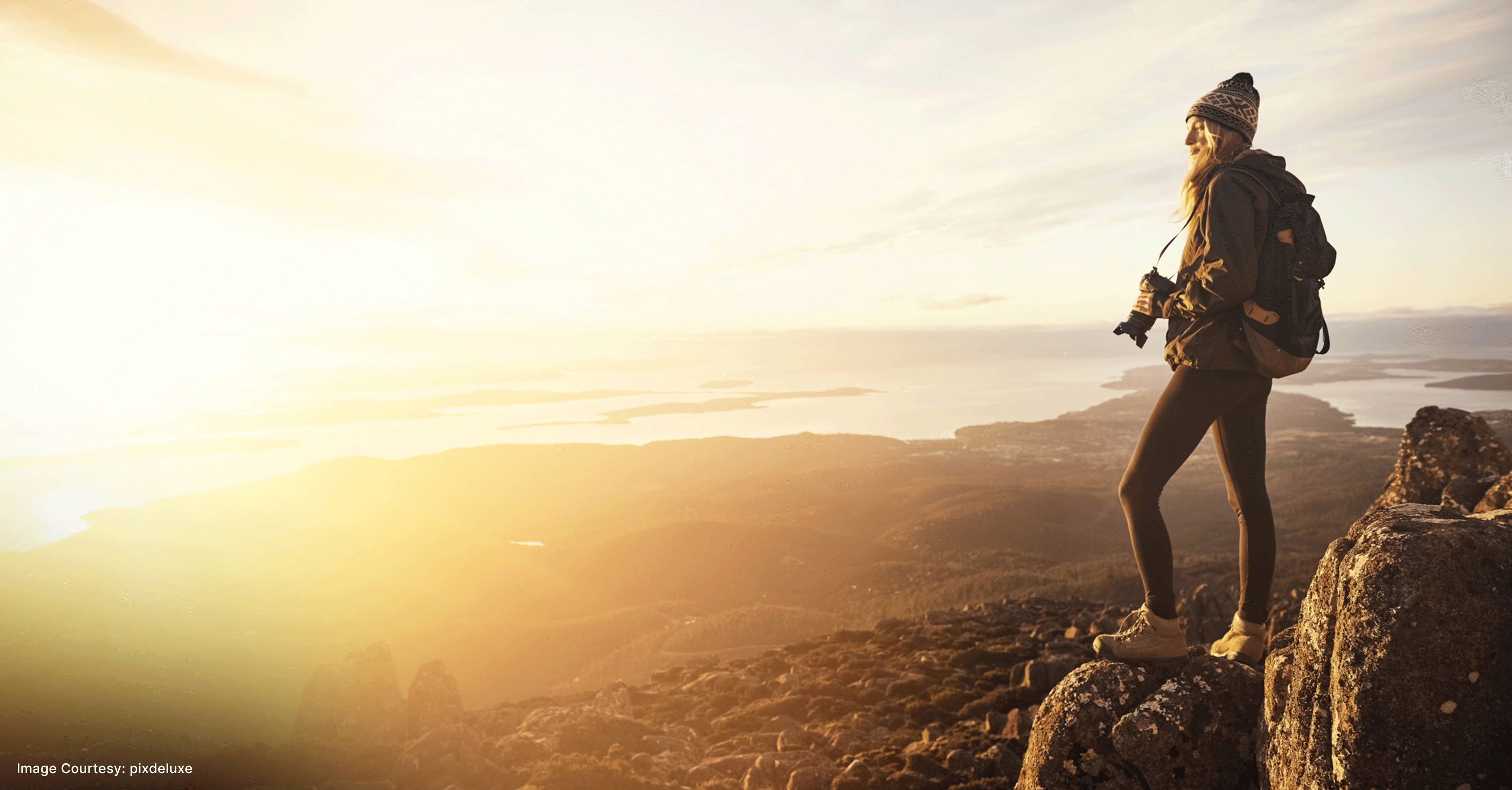
1. Documenting Cultural Traditions and Practices

Photographers around the world document cultural traditions, practices, and rituals that reflect the diversity of human experiences. Through their lenses, they offer viewers the opportunity to learn about customs and ways of life that may be vastly different from their own.

For instance, the works of American photographer Edward S. Curtis, who documented Native American cultures in the early 20th century, provide a glimpse into the lives and traditions of indigenous peoples in North America. While Curtis’s work has been criticized for its romanticized portrayal of Native American life, it nevertheless offers an important historical record of cultures that were underrepresented in mainstream narratives.

Similarly, contemporary photographers like Jimmy Nelson, who focuses on documenting indigenous cultures around the world, aim to preserve these cultural practices before they disappear due to globalization and modernization. By sharing these visual stories, photographers foster a sense of global awareness and appreciation for cultural diversity.

2. Breaking Down Stereotypes and Misconceptions

Photography has the power to challenge stereotypes and misconceptions about different cultures. In many cases, the images presented in mainstream media reinforce one-dimensional or negative portrayals of certain groups. However, photographers who focus on creating nuanced and authentic representations can offer a more accurate and empathetic view of different cultures.

One example is the work of Iranian photographer Newsha Tavakolian, whose photojournalism seeks to challenge Western stereotypes about life in the Middle East. Her images, which document everyday life in Iran, humanize the people of the region and offer a more balanced perspective that goes beyond the typical portrayal of conflict and political tension. By showcasing the complexity of her subjects’ lives, Tavakolian bridges cultural divides and encourages viewers to rethink their assumptions.

3. Creating Global Conversations

In today’s interconnected world, photography has the potential to create global conversations about important social, political, and environmental issues. Photographers who cover topics such as climate change, migration, or human rights often use their work as a tool for advocacy, sparking discussions that cross cultural boundaries.

The works of photojournalists covering the global refugee crisis, for example, have played a significant role in shaping international dialogue around migration and displacement. By putting faces to statistics, these photographers bring attention to the human impact of global crises and encourage viewers from around the world to engage in the conversation.

Organizations like the World Press Photo Foundation recognize the power of visual storytelling to foster global dialogue and raise awareness about critical issues. Their annual photo contests and exhibitions provide a platform for photographers from diverse backgrounds to share their work with international audiences, contributing to a more informed and empathetic global society.

ZiiP Foundation’s Role in Bridging Cultural Divides Through Photography

ZiiP Foundation is committed to using photography as a tool for cultural exchange and understanding. Recognizing the power of visual storytelling to transcend cultural and linguistic barriers, ZiiP Foundation supports photographers in their efforts to document and share stories that promote empathy, connection, and global dialogue.

1. Supporting Cultural Exchange Through Visual Narratives

ZiiP Foundation actively fosters cultural exchange by providing photographers with platforms to share their work with global audiences. Through its exhibitions, residencies, and collaborative projects, ZiiP creates opportunities for photographers from different cultural backgrounds to engage with one another and share their perspectives on the world.

By encouraging cross-cultural collaborations, ZiiP Foundation helps photographers explore themes of identity, heritage, and shared humanity. These collaborations not only enrich the photographers’ own work but also offer viewers a more diverse and nuanced understanding of the world.

2. Educational Programs on Visual Storytelling

ZiiP Foundation’s educational programs focus on equipping photographers with the skills and knowledge they need to create compelling visual stories that foster cultural understanding. Through workshops, masterclasses, and mentorship programs, ZiiP teaches photographers how to approach sensitive cultural subjects with respect and sensitivity.

These programs also emphasize the importance of ethical storytelling, ensuring that photographers document cultural practices and traditions in a way that honors their subjects’ dignity and agency. By promoting responsible storytelling, ZiiP aims to create a community of photographers who contribute positively to global conversations about culture and identity.

3. Showcasing Diverse Voices

One of ZiiP Foundation’s key initiatives is to showcase the work of photographers from underrepresented or marginalized communities. By amplifying these voices, ZiiP ensures that diverse perspectives are included in the global narrative, helping to challenge dominant cultural narratives and promote a more inclusive understanding of the world.

Through its Women in Photography project, for example, ZiiP Foundation provides a platform for female photographers to share their work and contribute to conversations about gender, culture, and identity. By showcasing these visual stories, ZiiP helps bridge cultural divides and promote a more inclusive and empathetic global dialogue.

Conclusion

Photography has the unique ability to bridge cultural divides, creating connections between people who may never meet but who share common experiences and emotions. Through visual storytelling, photographers document the richness of cultural diversity, challenge stereotypes, and foster global conversations that transcend borders and language.

ZiiP Foundation recognizes the power of photography to promote cultural understanding and is committed to supporting photographers in their efforts to create meaningful and impactful visual narratives. By providing educational programs, fostering cross-cultural collaborations, and showcasing diverse voices, ZiiP Foundation is playing a crucial role in bridging cultural divides through photography.

As we continue to navigate an increasingly interconnected world, photography will remain an essential tool for fostering empathy, understanding, and dialogue across cultures, reminding us that, beyond words, we are all connected by our shared human experience.

Photography, as an art form, is more than just capturing moments; it is a means of visual storytelling that shapes culture, conveys emotions, and communicates across borders. However, like any creative field, photography requires support for its growth, innovation, and sustainability. Foundations play a crucial role in providing that support by offering educational programs, financial aid, and mentorship to both emerging and established photographers. This article explores why foundations are essential for the future of photography, with a focus on the educational and financial support they offer, and highlights how ZiiP Foundation aims to contribute to these efforts in the field of learning.

The Importance of Foundations in the World of Photography

Foundations dedicated to photography contribute significantly to the development of the art form. These organizations provide platforms for photographers to showcase their work, fund essential projects, and offer educational opportunities that foster creativity and innovation. By supporting photographers, foundations help maintain a vibrant artistic ecosystem that encourages continuous learning, experimentation, and collaboration.

1. Preserving the Art Form

One of the key reasons photography foundations are critical for the future of the art form is their role in preserving photographic heritage. Many foundations work closely with museums, archives, and cultural institutions to preserve both historical and contemporary photography. This ensures that future generations will have access to important visual records of history, culture, and societal changes.

For example, institutions like the Getty Foundation and the Magnum Foundation work to preserve and promote iconic photographic works that have shaped global culture. By investing in the conservation of photographs and ensuring their accessibility, these foundations play a vital role in safeguarding photography as a cultural treasure.

2. Fostering Innovation

Photography is constantly evolving with advancements in technology. From the invention of the digital camera to the rise of smartphone photography, the tools and techniques available to photographers today are vastly different from those used just a few decades ago. Photography foundations help foster innovation by funding research, supporting projects that push the boundaries of the medium, and offering platforms for experimental work.

Foundations like the Alexia Foundation and the World Press Photo Foundation support photographers who are working on the cutting edge of the art form, helping them explore new techniques, styles, and technologies. This focus on innovation is essential for keeping photography relevant in a rapidly changing world.

3. Global Cultural Exchange

Photography is a universal language that transcends borders, and many photography foundations recognize the importance of promoting cultural exchange through visual storytelling. Foundations provide platforms for photographers from different countries and backgrounds to share their work with global audiences, promoting diversity in the field of photography.

Through exhibitions, grants, and educational programs, foundations encourage the cross-pollination of ideas and perspectives, helping photographers engage with different cultures. This exchange enriches the global photographic landscape, allowing for a broader range of stories to be told.

Educational Support from Photography Foundations

Education is one of the most important pillars of support that photography foundations offer. Without proper training, mentorship, and access to learning opportunities, many photographers—especially those from underrepresented backgrounds—may struggle to develop their skills and build successful careers.

1. Workshops and Skill-Building Programs

Photography foundations often organize workshops, seminars, and masterclasses led by seasoned photographers and industry experts. These educational programs provide emerging and established photographers with valuable learning opportunities to hone their craft, learn new techniques, and stay updated with industry trends.

For instance, the World Press Photo Foundation runs several training programs for photojournalists, offering guidance on both the technical and ethical aspects of photography. These workshops are designed to help photographers navigate the complexities of the modern media landscape while maintaining high standards of quality and integrity.

Similarly, the Light Work Artist-in-Residence Program in New York offers photographers the chance to spend a year developing their work, while receiving mentorship from leading professionals in the field. Such residencies provide photographers with the time, space, and resources to refine their artistic practice, collaborate with peers, and gain exposure.

2. Mentorship and Networking Opportunities

Mentorship is a crucial aspect of photography education, and many foundations connect emerging photographers with established professionals for one-on-one guidance. Mentors can provide invaluable insights into the industry, helping young photographers navigate career challenges, improve their work, and build meaningful networks.

Programs like the Joop Swart Masterclass organized by the World Press Photo Foundation offer a unique combination of mentorship and education. Selected participants have the opportunity to work with some of the most influential photographers in the world, gaining hands-on experience and developing their artistic voices.

In addition to mentorship, photography foundations often facilitate networking opportunities by organizing exhibitions, conferences, and symposia. These events allow photographers to meet potential collaborators, curators, and gallery owners, helping them build their reputations and expand their reach.

Financial Support from Photography Foundations

Photography is an expensive pursuit, and the financial challenges faced by emerging photographers can be significant. From the cost of equipment to travel expenses for projects, many photographers struggle to fund their work. Photography foundations provide financial support through grants, scholarships, and awards that enable photographers to focus on their craft without worrying about financial constraints.

1. Grants and Scholarships

Grants are one of the most common forms of financial support offered by photography foundations. These grants provide photographers with the funding they need to complete specific projects, pursue personal artistic goals, or develop their careers.

For example, the Magnum Foundation offers several grant programs to support photographers working on documentary projects that address social justice issues. These grants provide funding for travel, research, and production, allowing photographers to create work that might otherwise go unrealized due to financial barriers.

The Alexia Foundation offers scholarships to students studying photography, helping them cover the costs of their education and develop the skills they need to succeed in the industry. By offering scholarships and grants, photography foundations ensure that talented photographers have access to the resources they need to build their careers.

2. Funding for Documentary and Social Justice Projects

Many photography foundations prioritize funding for documentary photography and social justice-related projects. Documentary photography often requires significant investment, especially when covering long-term projects in remote or difficult-to-reach areas. Foundations recognize the importance of documenting societal issues and offer grants to support these efforts.

The Open Society Foundations and the Pulitzer Center on Crisis Reporting are well-known for their financial support of photographers working on projects related to human rights, conflict, and environmental issues. These grants allow photographers to dedicate time and resources to producing impactful visual stories that can raise awareness and inspire change.

By funding documentary projects, photography foundations not only support the careers of individual photographers but also contribute to the preservation of important social narratives. These projects often serve as historical records, shedding light on critical issues that shape the world.

The Impact of Educational and Financial Support on Photography’s Future

The educational programs and financial support offered by photography foundations have a profound impact on the future of photography. By nurturing emerging talent, providing access to resources, and fostering a culture of learning and experimentation, foundations help ensure that photography continues to thrive as an art form.

1. Creating a Pipeline of Talent

One of the key ways that foundations shape the future of photography is by creating a pipeline of talented photographers who are well-equipped to take on the challenges of the industry. By offering educational programs and financial support, foundations help photographers develop their skills, build their portfolios, and gain the confidence they need to succeed.

Foundations also help level the playing field by providing opportunities for photographers from underrepresented backgrounds to gain recognition. This focus on diversity ensures that a wide range of voices and perspectives are represented in the world of photography, enriching the art form and expanding its reach.

2. Encouraging Innovation and Experimentation

Through their support of experimental and cutting-edge projects, photography foundations encourage innovation in the field. This is especially important as photography continues to evolve in response to technological advancements and changes in the media landscape.

By funding research and offering residencies, foundations provide photographers with the freedom to explore new techniques and ideas. This culture of experimentation helps push the boundaries of what photography can achieve, ensuring that the art form remains dynamic and relevant.

ZiiP Foundation’s Commitment to Education and Learning

ZiiP Foundation is dedicated to supporting photographers at every stage of their careers, with a particular focus on emerging talent. Through its various initiatives, ZiiP aims to create a vibrant ecosystem where photographers can learn, grow, and succeed.

1. Educational Programs at ZiiP

ZiiP Foundation plans to launch a series of educational programs designed to nurture the next generation of photographers. These programs will include workshops, webinars, and masterclasses that cover both the technical and creative aspects of photography. By partnering with industry experts, ZiiP will provide photographers with access to cutting-edge knowledge and mentorship.

These programs are not limited to traditional photography education. ZiiP also emphasizes the importance of visual storytelling, encouraging photographers to explore the narrative potential of their work. By focusing on storytelling, ZiiP aims to empower photographers to use their art as a tool for communication, social change, and cultural preservation.

2. Funding Opportunities at ZiiP

In addition to educational programs, ZiiP Foundation will offer financial support to emerging photographers through grants and scholarships. These funding opportunities will be open to photographers working on both local and global projects, with a particular focus on promoting diversity and inclusivity.

By providing financial support, ZiiP ensures that talented photographers—regardless of their financial background—have the resources they need to pursue their artistic vision. These grants will help photographers complete ambitious projects, attend educational programs, and gain exposure through exhibitions.

Conclusion

Photography foundations are indispensable for the future of the art form. By offering educational programs, financial support, and platforms for exposure, these organizations ensure that photography continues to evolve, innovate, and inspire. The impact of these foundations extends beyond individual photographers, shaping the global landscape of visualart for the future. ZiiP Foundation, with its emphasis on education and financial support, aims to contribute to this global effort by nurturing emerging photographers and promoting diversity in the visual arts. Through grants, workshops, and mentorship, foundations like ZiiP help create an environment where photographers can thrive, ensuring that the art form continues to inspire, innovate, and connect people worldwide.

Aspiring photographers are constantly seeking opportunities to improve their skills, gain new perspectives, and stay up to date with the latest trends in photography. One of the most effective ways to do this is by participating in photography workshops led by industry experts. These workshops provide hands-on experience, mentorship, and valuable feedback, allowing photographers to refine their craft and build connections with fellow creatives.

In this article, we present a detailed guide to the top 10 photography workshops globally, where aspiring photographers can learn from the best. We will also highlight how ZiiP Foundation’s workshops will soon join the ranks of these renowned programs, providing a new space for learning and creativity.

Top 10 Photography Workshops to Consider

1. Magnum Photography Workshops (Worldwide)

The Magnum Photography Workshops, organized by the prestigious Magnum Photos agency, offer aspiring photographers the chance to learn from some of the world’s best documentary and photojournalism photographers. These workshops are held in various cities around the globe, including New York, Paris, and Tokyo. Participants get to work on real-world photography assignments, receive one-on-one feedback from Magnum photographers, and participate in group critiques.

Key Benefits:

  • Learn from industry-leading photographers.
  • Gain hands-on experience in photojournalism and storytelling.
  • Receive personalized feedback and guidance.

These workshops are ideal for photographers looking to enhance their storytelling skills and break into documentary photography. Attendees also benefit from networking opportunities with other emerging photographers and industry professionals.

2. Annie Leibovitz’s MasterClass (Online)

Annie Leibovitz, one of the most famous portrait photographers, offers a highly acclaimed online workshop through MasterClass. In this course, she teaches her approach to portraiture, working with subjects, and finding your personal style as a photographer. Though it is an online course, the lessons are comprehensive, offering insights into both the technical and creative aspects of photography.

Key Benefits:

  • Learn from a world-renowned portrait photographer.
  • Flexible online learning, accessible from anywhere.
  • Insight into building personal projects and working with high-profile clients.

This workshop is perfect for photographers who want to master the art of portrait photography and gain a deeper understanding of how to connect with their subjects.

3. Santa Fe Photography Workshops (USA)

The Santa Fe Photography Workshops in New Mexico have been running for over 30 years and are known for offering a diverse range of photography workshops for all skill levels. The workshops cover genres like portraiture, landscape photography, travel photography, and more. Participants receive hands-on instruction from top photographers in a supportive, creative environment.

Key Benefits:

  • Diverse range of photography genres covered.
  • Expert instructors with deep industry experience.
  • Located in the beautiful landscapes of New Mexico, ideal for outdoor shoots.

These workshops are highly regarded for the breadth of learning opportunities and the stunning surroundings, which inspire creativity.

4. National Geographic Expeditions Photography Workshops (Worldwide)

For those who are passionate about travel and adventure photography, the National Geographic Expeditions Photography Workshops offer unparalleled opportunities to learn from National Geographic photographers. These workshops take participants to breathtaking locations around the world, including the Galápagos Islands, Antarctica, and Africa, to capture landscapes, wildlife, and cultural moments.

Key Benefits:

  • Learn from professional National Geographic photographers.
  • Travel to some of the most scenic locations in the world.
  • Hands-on guidance in capturing wildlife, landscapes, and cultural scenes.

These workshops are perfect for photographers looking to improve their travel and nature photography while experiencing some of the world’s most stunning destinations.

5. Leica Akademie (Worldwide)

The Leica Akademie offers a range of photography workshops across the globe, focusing on street photography, documentary photography, and creative techniques. Whether you’re a Leica user or not, these workshops provide valuable insights into capturing candid moments and mastering manual controls on cameras.

Key Benefits:

  • Focus on street and documentary photography.
  • Gain hands-on experience with Leica cameras (though not required).
  • Learn from experienced Leica photographers and industry veterans.

Leica Akademie workshops are ideal for photographers who want to improve their technical skills while working in fast-paced urban environments.

6. Maine Media Workshops + College (USA)

Located in the picturesque coastal town of Rockport, Maine, the Maine Media Workshops + College offers immersive workshops in photography, filmmaking, and multimedia. The photography workshops cover a wide range of genres, including fine art, portraiture, documentary, and alternative processes. These workshops provide a hands-on learning experience with access to top-tier instructors.

Key Benefits:

  • Wide variety of photography genres covered.
  • Immersive, hands-on learning in a creative environment.
  • Opportunity to network with fellow photographers and artists.

With its focus on both the technical and creative aspects of photography, Maine Media is perfect for photographers looking to expand their skill sets and explore new creative processes.

7. Joel Sartore’s Photo Ark Workshops (USA)

Joel Sartore, a photographer known for his work with National Geographic’s Photo Ark project, offers unique workshops that focus on wildlife and conservation photography. Participants learn how to photograph animals, from small insects to large mammals, while also understanding the importance of wildlife conservation.

Key Benefits:

  • Learn from a leading wildlife photographer.
  • Focus on conservation photography and environmental storytelling.
  • Hands-on experience photographing animals in natural habitats.

These workshops are ideal for photographers interested in wildlife, nature conservation, and using their photography to raise awareness about environmental issues.

8. VII Academy Workshops (Worldwide)

The VII Academy, created by the renowned VII Photo Agency, offers workshops that focus on documentary photography, conflict photography, and visual storytelling. These workshops are taught by award-winning photographers who have covered major global events and conflicts. They emphasize ethical storytelling and visual journalism.

Key Benefits:

  • Learn from photographers with experience in conflict zones and global events.
  • Focus on ethical storytelling and visual journalism.
  • Opportunities to work on real-world documentary projects.

VII Academy workshops are perfect for aspiring documentary photographers who want to use their photography to raise awareness about critical social and political issues.

9. The Leica Street Photography Workshops (Worldwide)

The Leica Street Photography Workshops are designed to enhance photographers’ skills in capturing candid moments in urban environments. Held in major cities around the world, these workshops focus on the fast-paced world of street photography and teach participants how to anticipate and capture decisive moments.

Key Benefits:

  • Emphasis on street photography in urban settings.
  • Learn from experienced Leica photographers.
  • Personalized guidance in mastering camera settings and framing.

These workshops are ideal for photographers who want to develop their street photography skills and learn how to capture the unique energy of city life.

10. Wildlife Photography Workshops by David Yarrow (Worldwide)

David Yarrow, one of the most well-known wildlife photographers, offers specialized workshops that take photographers to remote locations for wildlife photography experiences. These workshops provide participants with the opportunity to capture stunning wildlife images while learning from Yarrow’s expertise in the field.

Key Benefits:

  • Learn from a world-renowned wildlife photographer.
  • Travel to remote locations for unique wildlife photography opportunities.
  • Focus on composition, patience, and capturing rare moments in nature.

These workshops are perfect for wildlife enthusiasts looking to improve their skills and gain access to incredible photography locations.

How ZiiP Foundation Will Soon Join the Ranks of These Workshops

ZiiP Foundation is committed to becoming a leading force in photography education and visual storytelling. By offering workshops that are accessible to photographers of all levels, ZiiP Foundation aims to foster creativity, technical skill, and storytelling prowess.

1. Workshops Focused on Visual Storytelling

ZiiP Foundation’s workshops will place a strong emphasis on visual storytelling, teaching photographers how to create compelling narratives through their images. Led by industry experts, these workshops will cover genres such as documentary photography, portraiture, and fine art photography, helping participants master the art of conveying stories through their lens.

2. Accessible Global Programs

Much like the National Geographic Expeditions and Magnum Photography Workshops, ZiiP Foundation’s programs will offer opportunities for photographers to travel to different locations, providing them with the chance to photograph diverse landscapes and cultures. These workshops will be available globally, ensuring that aspiring photographers from various regions can benefit from world-class education.

3. Mentorship and Career Development

In addition to technical training, ZiiP Foundation workshops will offer mentorship programs where participants can receive personalized feedback on their work. This mentorship will help photographers refine their vision and develop their careers, much like the guidance provided by established institutions such as the VII Academy.

By combining hands-on learning, mentorship, and exposure to diverse cultural and environmental settings, ZiiP Foundation is poised to become a respected name in photography education.

Conclusion

Attending a photography workshop can be a transformative experience for aspiring photographers, offering them the chance to learn from industry experts, improve their skills, and gain a deeper understanding of the art of visual storytelling. From the Magnum Photography Workshops to National Geographic Expeditions, these top photography workshops offer unparalleled opportunities to learn, grow, and connect with the photography community.

As ZiiP Foundation prepares to launch its own workshops, it aims to join the ranks of these prestigious programs by offering world-class education, mentorship, and opportunities for photographers to push the boundaries of their creativity. Whether you’re looking to master documentary photography, wildlife photography, or portraiture, these workshops provide the resources and inspiration you need to take your photography to the next level.

Photography residencies offer a unique opportunity for photographers to immerse themselves in new environments, experiment with their craft, and develop long-term projects. Whether you’re an emerging artist looking for mentorship and professional growth or an established photographer seeking creative renewal, residencies provide the space, time, and resources to push your artistic boundaries. With 2024 around the corner, it’s a great time to consider the top photography residencies that can offer a transformative experience for your career and craft.

In this article, we will highlight some of the most prestigious photography residencies globally, providing insight into their offerings and benefits. We will also explore how the ZiiP Foundation’s upcoming photography residency will soon be amongst these renowned programs, supporting photographers in their journey of creative exploration.

What Makes a Photography Residency Valuable?

Before diving into the list of residencies, it’s essential to understand what makes these opportunities so valuable for photographers. A residency is much more than a temporary relocation—it’s an opportunity to:

  • Dedicate uninterrupted time to personal projects.
  • Gain new perspectives through cultural immersion and unique environments.
  • Receive mentorship and feedback from established photographers, curators, and industry professionals.
  • Collaborate with other artists, potentially leading to multidisciplinary projects.
  • Showcase work in exhibitions or publications tied to the residency.

Whether you’re seeking to develop a new body of work, explore new techniques, or engage with other artists, residencies offer a well-rounded experience that fosters creative growth.

Top Global Photography Residencies for 2024

1. The Light Work Artist-in-Residence Program (Syracuse, USA)

One of the most prestigious photography residencies in the U.S., Light Work has been offering a platform for photographers since 1973. Each year, they select 12-15 artists for month-long residencies, providing them with a $5,000 stipend, an apartment, and 24-hour access to a digital lab equipped with professional tools. Light Work emphasizes experimentation and provides artists with the freedom to explore new ideas in photography, particularly in documentary and conceptual art.

Key Benefits:

  • Access to advanced equipment and a high-quality printing facility.
  • Opportunity to work in a community that fosters dialogue and collaboration.
  • Publication of selected work in Contact Sheet, the organization’s highly regarded photography journal.

2. FOAM Talent (Amsterdam, Netherlands)

The FOAM Talent Residency is part of the larger Foam Fotografiemuseum Amsterdam, a world-renowned platform for contemporary photography. Although primarily a talent program, the residency allows selected photographers to spend time developing their projects while receiving valuable mentorship from industry professionals. FOAM is known for spotlighting emerging photographers and launching their careers through exhibitions and publications.

Key Benefits:

  • Opportunity for young photographers to exhibit work at Foam Fotografiemuseum.
  • Comprehensive mentoring from experienced professionals in the photography world.
  • Exposure through Foam’s extensive network of galleries and institutions.

3. Magnum Foundation Fellowship (New York, USA)

The Magnum Foundation Fellowship is a unique residency program for photographers focusing on documentary photography and social justice. As part of the prestigious Magnum Photos legacy, the fellowship offers photographers an opportunity to work on long-term projects that explore issues related to human rights, justice, and equality. Participants receive a stipend, mentorship, and access to Magnum’s resources and networks.

Key Benefits:

  • Focus on socially engaged storytelling.
  • Access to Magnum Photos’ extensive archives and global network.
  • Mentorship and guidance from leading documentary photographers.

4. La Becque (Switzerland)

Located on the scenic shores of Lake Geneva, La Becque is an ideal residency for photographers looking for creative inspiration in a serene, natural environment. The program is designed for artists working across various disciplines, including photography. La Becque provides individual studio spaces, access to digital facilities, and regular visits from curators and critics.

Key Benefits:

  • A peaceful environment ideal for introspection and creative exploration.
  • Opportunities for artists to engage with Swiss cultural institutions and galleries.
  • Strong focus on sustainability and ecology, encouraging artists to explore environmental themes.

5. Hyères Photography Residency (France)

The Hyères Festival of Fashion and Photography hosts a residency that focuses on the intersection of photography, fashion, and visual arts. Photographers selected for this residency are given access to state-of-the-art facilities and professional mentorship. The residency culminates in a high-profile exhibition during the festival, offering participants valuable exposure to industry leaders and the public.

Key Benefits:

  • Emphasis on the artistic integration of photography and fashion.
  • Opportunity to showcase work during the prestigious Hyères Festival.
  • Networking with top industry professionals in both photography and fashion.

6. ISSP Latvia Residency (Latvia)

The International Summer School of Photography (ISSP), located in a tranquil, rural setting in Latvia, offers photographers a space to develop personal projects, gain fresh perspectives, and connect with international peers. ISSP’s residency program supports photographers working in documentary, fine art, and experimental photography, offering a balance between solitude and artistic exchange.

Key Benefits:

  • Access to a remote, inspiring environment perfect for in-depth work.
  • Regular visiting artist talks, portfolio reviews, and workshops.
  • Engagement with an international photography community.

7. Cité Internationale des Arts (Paris, France)

As one of the most iconic artist residency programs in the world, Cité Internationale des Arts offers residencies for photographers and visual artists in the heart of Paris. This residency provides artists with a personal studio space and access to a wide range of cultural resources. The residency duration can vary from two months to one year, depending on the project, and provides artists with the opportunity to engage with Paris’s vibrant art scene.

Key Benefits:

  • Central location in Paris, with access to major cultural institutions and galleries.
  • Opportunities to collaborate with artists from a wide range of disciplines.
  • Access to a global network of artists and curators.

The Role of Residencies in Creative Growth

Artist residencies provide an ideal setting for photographers to take creative risks, refine their craft, and step outside their comfort zones. The benefits of participating in a residency include:

  • Creative Experimentation: With the freedom to focus on personal projects, photographers can experiment with new techniques, themes, and mediums, without the constraints of commercial work or deadlines.
  • Cultural Immersion: Residencies often take place in culturally or geographically unique locations, offering artists a fresh perspective and a new context in which to develop their work.
  • Networking and Exposure: Many residencies culminate in exhibitions, providing photographers with valuable exposure. The relationships formed with mentors, curators, and fellow artists often lead to future opportunities for collaboration and exhibition.

How ZiiP Foundation’s Residency Will Join the Ranks of the Best

The ZiiP Foundation is committed to supporting the creative development of photographers by offering an innovative and well-resourced residency program. ZiiP’s residency will combine cultural immersion, mentorship, and professional growth, ensuring that photographers can take full advantage of their time in the program.

1. Culturally Rich Locations

ZiiP’s residency will take place in culturally significant locations, providing photographers with unique environments that inspire creativity. Participants will have the opportunity to engage with local communities, traditions, and landscapes, enriching their work with new perspectives.

2. Mentorship and Professional Guidance

ZiiP Foundation will emphasize mentorship by connecting photographers with experienced professionals in the photography world. Through regular feedback, portfolio reviews, and discussions, participants will receive the guidance they need to refine their artistic vision and further their careers.

3. Exhibition Opportunities

At the end of the residency, participants will have the chance to showcase their work in a curated exhibition. This will offer exposure to curators, gallery owners, and collectors, helping photographers build their professional networks and gain recognition in the art world.

Conclusion

Photography residencies are invaluable opportunities for photographers to grow both creatively and professionally. From the tranquil shores of Lake Geneva to the bustling streets of Paris, these residencies offer spaces for experimentation, collaboration, and reflection. Whether you’re an emerging photographer looking to develop your portfolio or an established artist seeking new inspiration, residencies provide the time and resources necessary to push creative boundaries.

As ZiiP Foundation prepares to launch its own residency program, it aims to provide photographers with a platform that combines cultural exploration, mentorship, and professional growth. With a focus on supporting diverse voices and fostering creative experimentation, ZiiP will soon join the ranks of prestigious residencies like Light Work, Magnum Foundation, and FOAM, offering photographers a transformative experience in 2024 and beyond.